
Support Their Goals.
Build Their Confidence.
Let Them Own Their Journey.
Support Their Goals.
Build Their Confidence.
Let Them Own Their Journey.
You want to help your athlete reach their potential. You also want them to be confident, resilient, and happy—both in their sport and beyond it. Knowing when to step in, when to step back, and how to help when they're struggling isn't always easy.
I get it. I’ve been there. Sometimes it feels like we live and die with every pass, every turn, every shot. That’s not support. True support is giving them the tools to own their journey.
You want to help your athlete reach their potential. You also want them to be confident, resilient, and happy—both in their sport and beyond it. Knowing when to step in, when to step back, and how to help when they're struggling isn't always easy.
I get it. I’ve been there. Sometimes it feels like we live and die with every pass, every turn, every shot. That’s not support. True support is giving them the tools to own their journey.
Parenting a competitive athlete can be complicated.
You want to:
Encourage them: without adding pressure.
Help them learn from mistakes: without analyzing the game on the ride home.
Build their confidence: without making them dependent on your reassurance.
Support their goals: without wanting those goals more than they do.
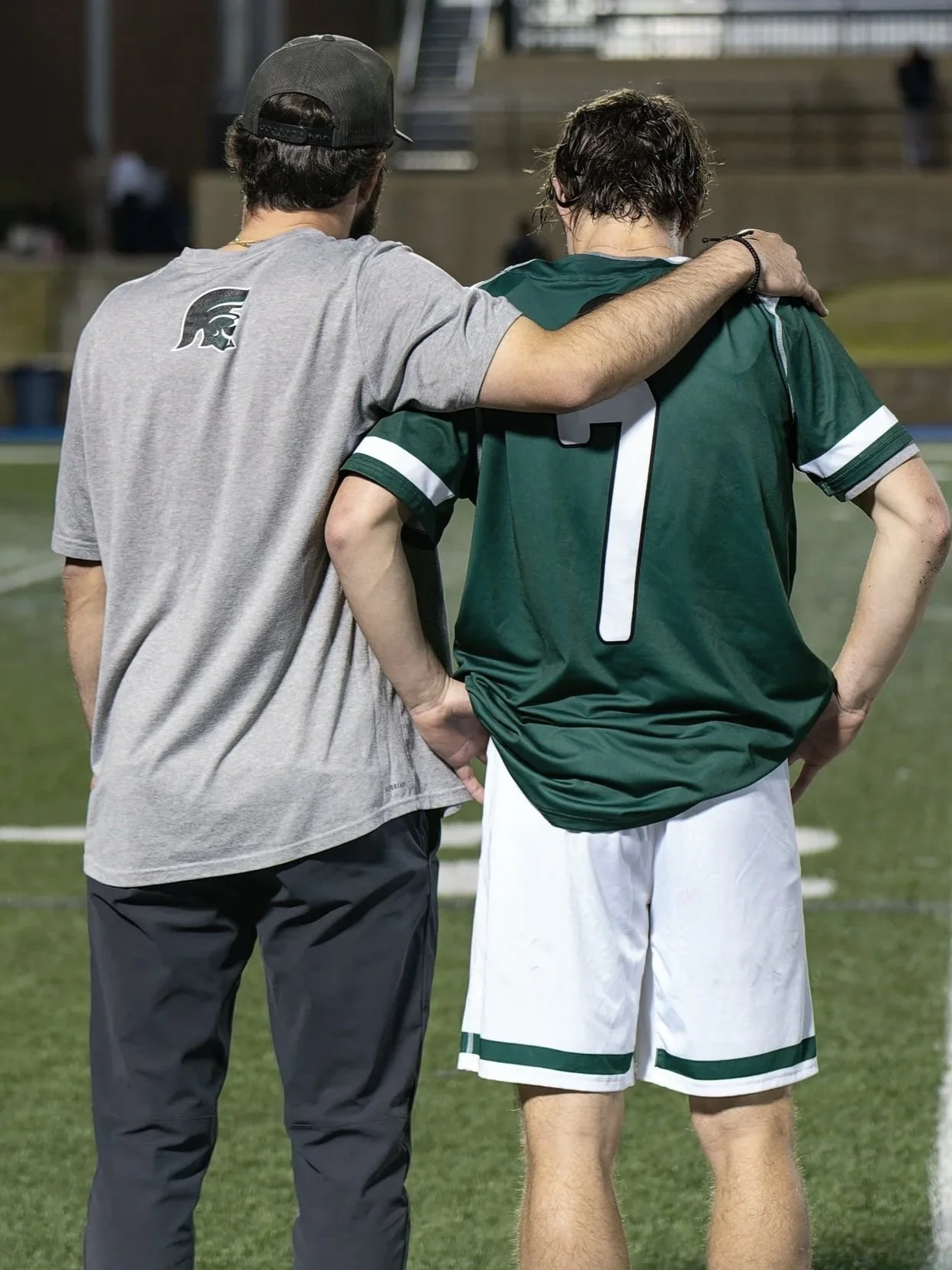
You don't have to be their mental performance coach.
You don't have to be their mental performance coach.
Parenting a competitive athlete can be complicated.
You want to:
Encourage them: without adding pressure.
Help them learn from mistakes: without analyzing the game on the ride home.
Build their confidence: without making them dependent on your reassurance.
Support their goals: without wanting those goals more than they do.
And when they're struggling, it can be incredibly difficult to know when to step in and when to step back.
Mental performance coaching gives your athlete another trusted adult in their corner—someone who can listen, provide perspective, teach practical skills, and help them navigate the inevitable ups and downs of competitive sport.
It also gives you permission to get back to one of your favorite jobs: Being their biggest fan!
And when they're struggling, it can be incredibly difficult to know when to step in and when to step back.
Mental performance coaching gives your athlete another trusted adult in their corner—someone who can listen, provide perspective, teach practical skills, and help them navigate the inevitable ups and downs of competitive sport.
It also gives you permission to get back to one of your favorite jobs: Being their biggest fan!
Yes, I want to help your child maximize their athletic potential.
But the value of this work goes well beyond the scoreboard.
The skills that improve performance also prepare them for life.
The skills that improve performance also prepare them for life.
Yes, I want to help your child maximize their athletic potential.
But the value of this work goes well beyond the scoreboard.

Through mental performance training, athletes learn to:
Through mental performance training, athletes learn to:
Manage pressure
Regulate emotions
Recover from mistakes
Focus on what they can control
Those skills matter in competition.
They also matter in college, relationships,
careers, leadership, and life.
Sport gives young people an extraordinary
laboratory for learning who they are and
who they want to become.
My goal is to help them make the most of their
experiences on and off the athletic field.
Advocate for themselves
Navigate disappointment
Build confidence
Bounce back from adversity.
Manage pressure
Regulate emotions
Recover from mistakes
Focus on what they can control
Advocate for themselves
Navigate disappointment
Build confidence
Bounce back from adversity.
Those skills matter in competition.
They also matter in college, relationships, careers, leadership, and life.
Sport gives young people an extraordinary laboratory for learning who they are and who they want to become.
My goal is to help them make the most of their experiences on and off the athletic field.
Your athlete. Their journey.
Your athlete.
Their journey.
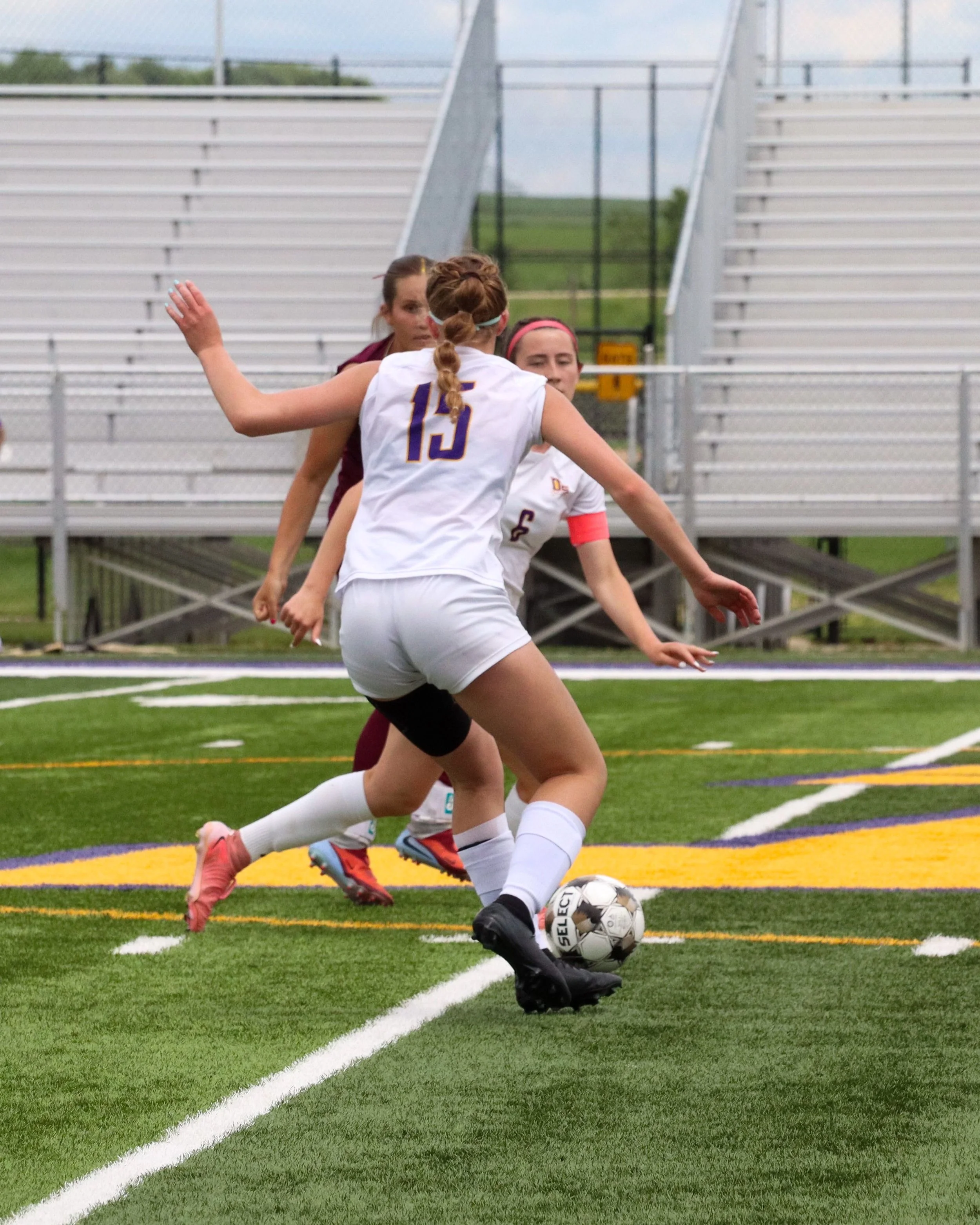
For this work to be effective, your athlete needs to feel that the work belongs to them.
Parents are often an important part of getting the process started, and I value the perspective you bring. But as our work progresses, my primary relationship is with your athlete.
I want them to have a space where they can be honest, curious, make mistakes, experiment with new skills, and develop greater ownership of their performance.
When appropriate, we'll find ways to keep you informed and help you understand how you can best support the work—while also respecting your athlete's growing independence.
The goal isn't to create another adult telling them what to do.
The goal is to help them learn how to understand themselves, trust themselves, and eventually coach themselves.
For this work to be effective, your athlete needs to feel that the work belongs to them.
Parents are often an important part of getting the process started, and I value the perspective you bring. But as our work progresses, my primary relationship is with your athlete.
I want them to have a space where they can be honest, curious, make mistakes, experiment with new skills, and develop greater ownership of their performance.
When appropriate, we'll find ways to keep you informed and help you understand how you can best support the work—while also respecting your athlete's growing independence.
The goal isn't to create another adult telling them what to do.
The goal is to help them learn how to understand themselves, trust themselves, and eventually coach themselves.
The best way to support your athlete is to be their biggest fan, regardless of the outcomes. They are bigger than their sport, and they are more than their performance.
I love watching you compete.
I believe in you.
I know that who you are matters far more than how you perform.
That foundation doesn't make athletes less competitive.
It gives them a safer place from which to take risks, make mistakes, pursue big goals, and discover what they're capable of.
You can support the athlete without carrying the performance.

You can support the athlete
without carrying the performance.
The best way to support your athlete is to be their biggest fan, regardless of the outcomes. They are bigger than their sport, and they are more than their performance.
I love watching you compete.
I believe in you.
I know that who you are matters far more than how you perform.
That foundation doesn't make athletes less competitive.
It gives them a safer place from which to take risks, make mistakes, pursue big goals, and discover what they're capable of.
I would love to hear more…
I would love to hear more…
Set up a brief 15-minute exploratory conversation to talk about what you're seeing, what your athlete is experiencing, and whether I might be a good fit.
Set up a brief 15-minute exploratory conversation to talk about what
you're seeing, what your athlete is experiencing, and whether I might be a good fit.
“Pressure is a Privilege”
“Pressure is a Privilege”
- B I L L I E J E A N K I N G -
- B I L L I E J E A N K I N G -